VR safety simulators for industrial plants

Your workers practise work at height, confined spaces and lifting in a Meta Quest headset, and every pass becomes a certificate anyone can verify. From COP 450,000 a month.

Ten native apps built in Unity and Unreal 5 already run offline on the headsets.

Your risk matrix as safety scenarios

Every company already keeps a risk matrix by law. SAFETY VR reads it, marks which scenario covers each risk and shows who still needs a certificate.

See the pricing

Simulators as native apps for the plant

Built in Unity and Unreal 5, installed on the headsets and offline. New scenarios run in the headset’s browser.

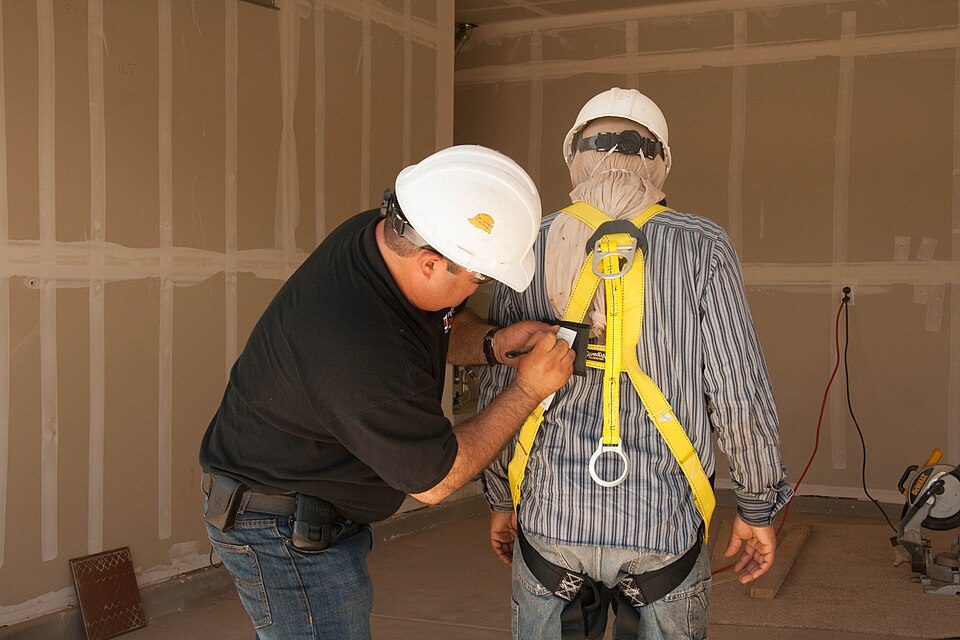
  • Work at height

    Securing the harness before climbing: anchor point, lifeline and rescue.

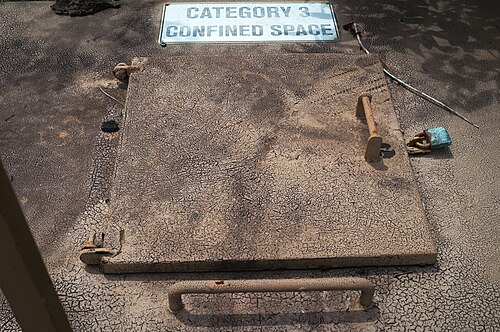
  • Confined spaces

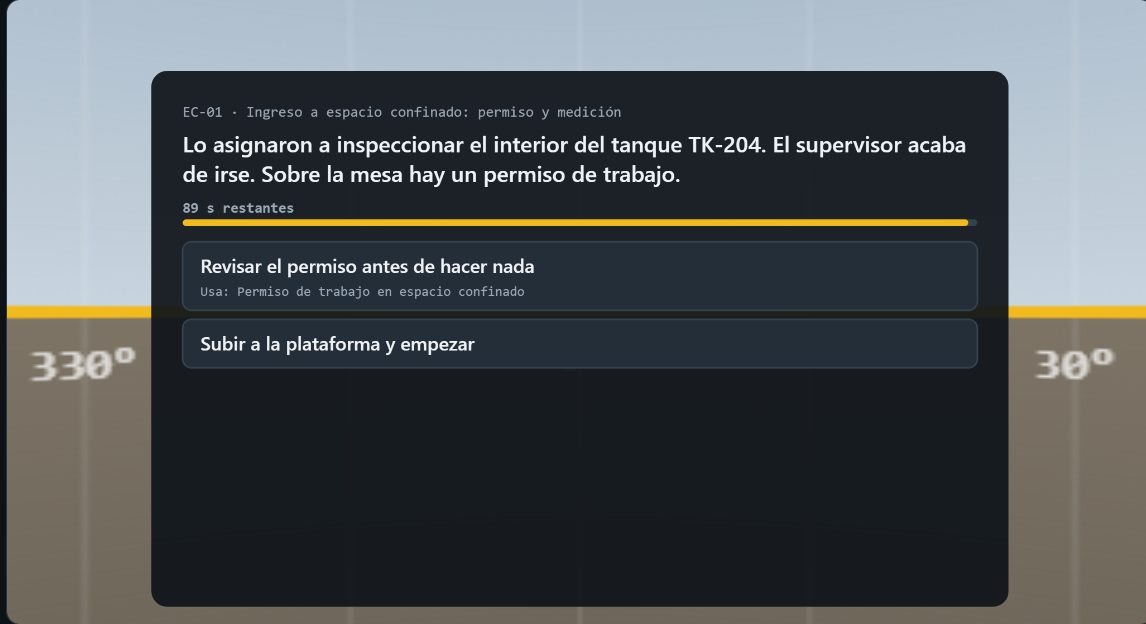
    Testing the air before going in. It is scenario EC-01 in the demo.

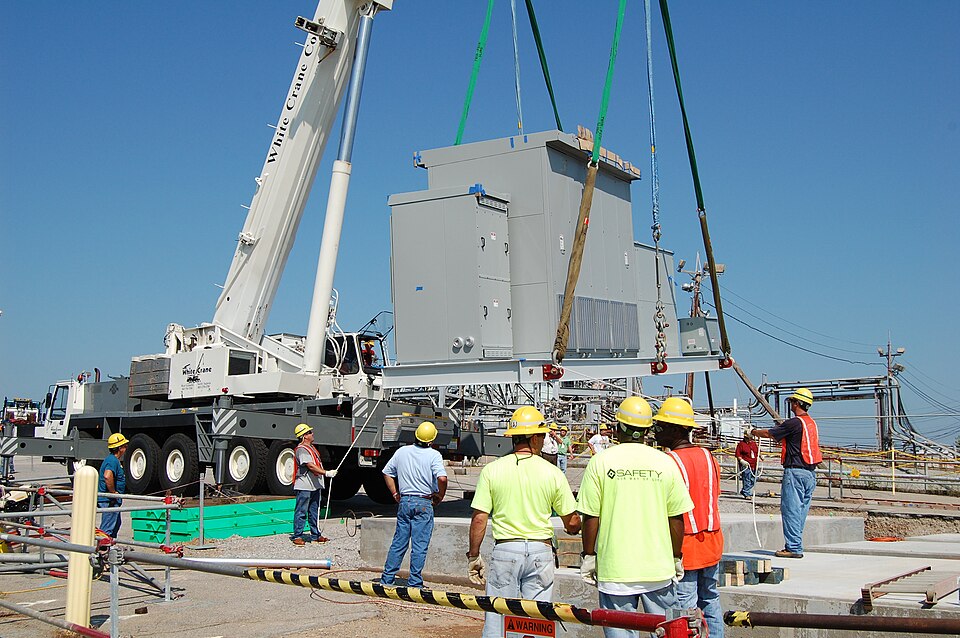
  • Lifting and overhead cranes

    Clearing the area: signals, suspended loads and the exclusion zone.

  • Hot work

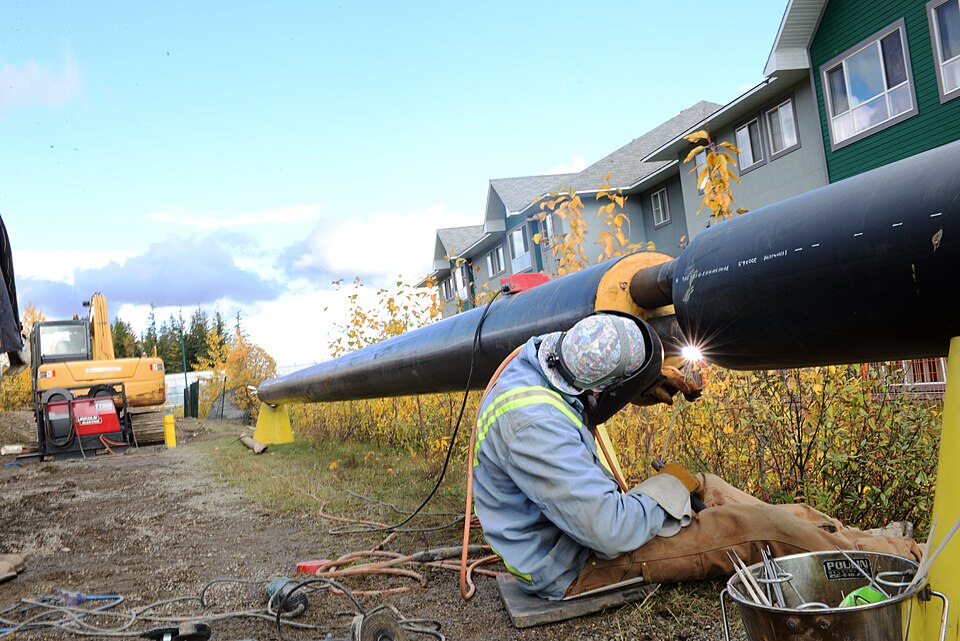
    Welding under a permit, with protective gear and a tidy work area.

Also: truck driving, managing emotions and custom simulators from USD 5,000.

Unity Unreal Engine
A supervisor adjusting a worker’s harness before a task at height The access hatch of a confined space with its warning sign A mobile crane lifting electrical equipment while the crew watches from outside the zone A welder in a face shield working on a pipe joint

SAFETY VR rollout in 3 steps

  1. 1. You send us your risk matrix

    The document you already have gives the script, the decision points and the rubric. A licensed safety specialist validates every scenario.

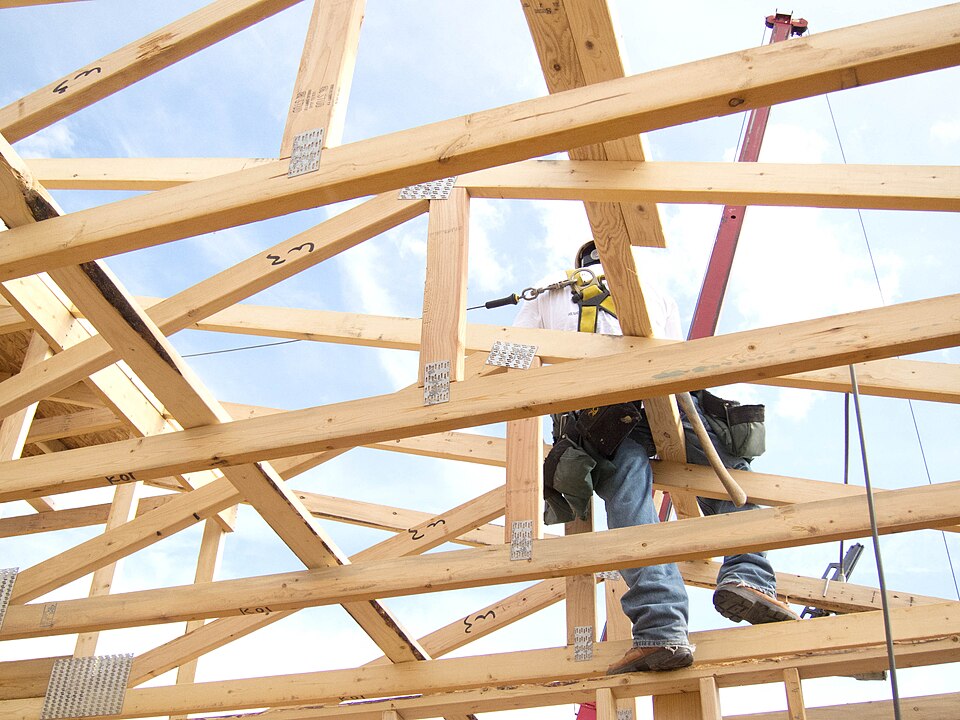
    A worker in a harness on the timber trusses of a roof under construction
  2. 2. The worker practises it in the headset

    They sign in with a six-digit code, no password. The session runs offline and syncs once the network is back.

    Scenario EC-01 in the viewer: the work permit and the two possible decisions
  3. 3. You see the certified competence

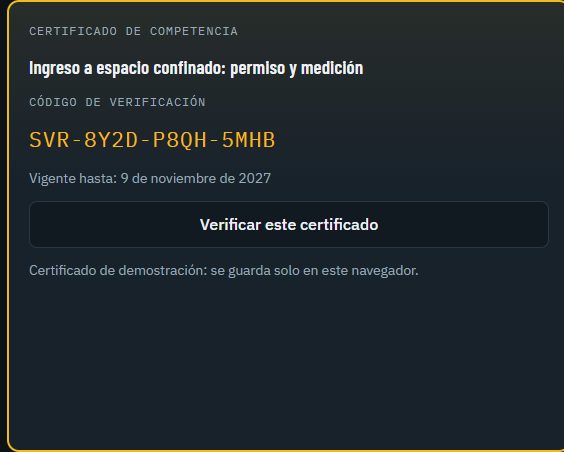
    The company sees who is qualified and until when, not the score. Anyone can verify a certificate by its code.

    The scenario EC-01 certificate with its verification code and expiry date

See plans and pricing

SAFETY VR plans and pricing

Monthly prices per company, at a reference rate of COP 4,360. Every plan includes the company portal and verifiable certificates.

Pilot

For a first trial

COP 450,000/month

≈ USD 103 a month

COP 5,400,000 a year (USD 1,239)

Request the Pilot plan
  • 15 active workers
  • 1 module from the catalogue

Corporate

For companies with 200+ staff

COP 3,600,000/month

≈ USD 826 a month

COP 43,200,000 a year (USD 9,908)

Request the Corporate plan
  • 250 active workers
  • Multi-site, API and LMS export

White label: COP 1,800,000 (USD 413) a month plus 30% of billing. Custom simulators: USD 5,000 to 15,000.

Questions about SAFETY VR

What safety managers usually ask before a pilot.

Email the team

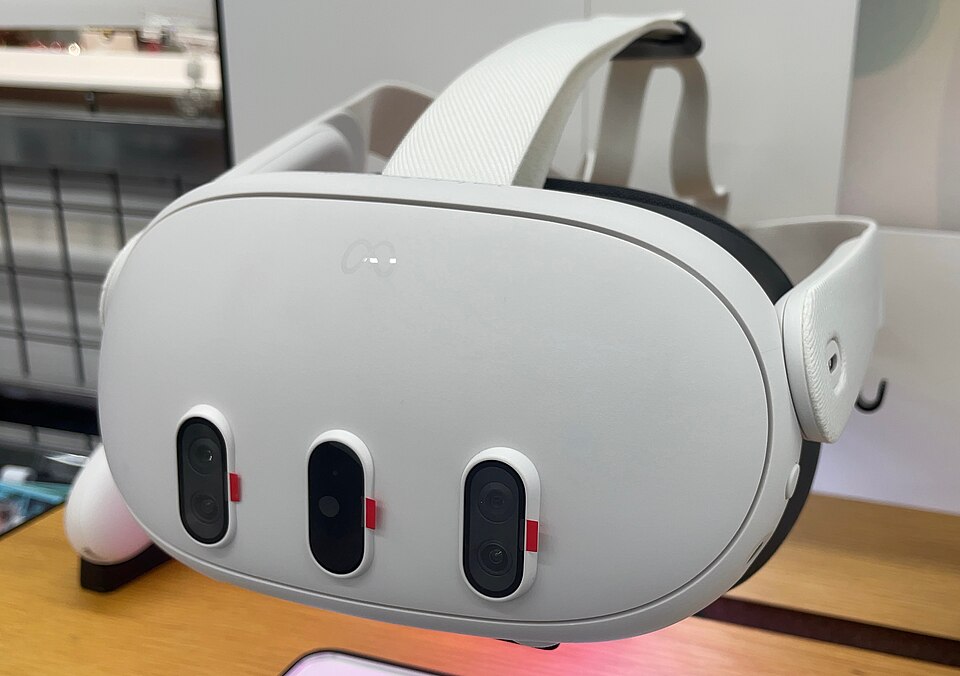
A Meta Quest 3 headset seen from the front on a table
Meta Chrome

Which headsets do the simulators need?

Meta Quest 3 headsets that your company buys or rents. Catalogue scenarios also open in the browser of a phone or a PC.

Do the simulators work offline on site?

Yes. The apps and scenarios run offline, keep the signed session and send it once the network is back.

Does the company see each worker’s score in the simulators?

No. The company sees the certified competence and when it expires. Scores and answers stay in the session record.

Who validates the safety content?

A licensed safety specialist signs every version of every scenario, with the standard and the date.

Can you build a simulator for our hazard?

Yes. A custom native simulator costs USD 5,000 to 15,000, depending on the hazard and the machinery, and it connects to the platform.